
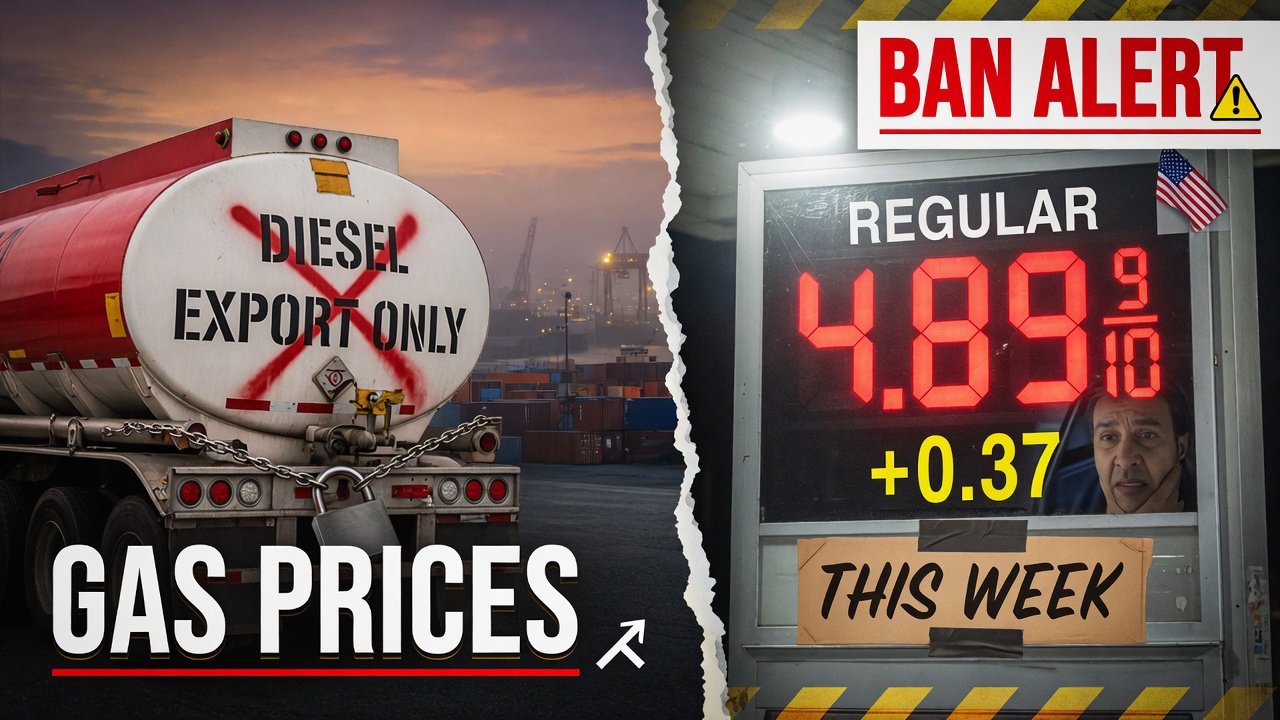
Potential Diesel Export Ban Raises Concerns Over Domestic Gasoline Prices
The diesel export ban debate is gaining momentum as policymakers and industry participants consider potential restrictions on diesel shipments and their broader effects on domestic fuel markets.
While an export restriction would directly target diesel, concerns have emerged about possible downstream consequences for domestic gasoline prices. The connection reflects the way modern refining systems operate, with refineries producing multiple petroleum products simultaneously and market changes in one fuel potentially affecting the economics of others.
Discussions Around a Diesel Export Ban Intensify
A potential diesel export ban could represent a significant change for the fuel market, particularly for refiners and companies involved in international petroleum trade.
Diesel is an important component of global energy demand and is widely used in transportation, logistics, agriculture and industrial activity. Export restrictions can therefore affect refinery economics, inventories, international supply flows and domestic pricing conditions.
The impact would depend on the details of any policy, including which products are covered, how long restrictions remain in place and whether exemptions are provided.
At this stage, discussions about the potential measure do not necessarily indicate that a final policy has been implemented.
Why Could Gasoline Prices Be Affected?
The concern over gasoline prices stems partly from the structure of petroleum refining.
Refineries generally produce several products from crude oil, including gasoline, diesel and other petroleum products. Refiners make production decisions based on expected demand, prices, inventories and international market conditions.
If a policy significantly changes the economics of diesel exports, refiners could adjust their operations and product balances. Those changes could influence gasoline supply and pricing even though gasoline itself may not be directly covered by an export restriction.
Market participants therefore monitor the potential downstream impact of a diesel export ban across the wider petroleum market.
Refinery Economics Could Become More Complicated
A restriction on diesel exports could alter the relationship between domestic and international fuel markets.
Refiners that currently depend on export markets for diesel would potentially have to redirect more product toward domestic buyers. This could increase domestic diesel availability, depending on overall demand and refinery utilization.
However, refinery production cannot always be adjusted independently for each fuel. Increasing or decreasing output of one refined product can affect the production of other products.
This is one reason industry participants are examining how a diesel-focused policy could influence gasoline markets.
Impact on Domestic Fuel Markets
Domestic gasoline prices are influenced by several factors, including crude oil costs, refinery margins, inventories, transportation expenses, taxes and regional supply-demand conditions.
An export restriction could become another factor affecting those market dynamics.
If changes in refinery economics reduce gasoline production or alter the amount of gasoline available for particular markets, prices could come under pressure. Conversely, if overall fuel supplies remain adequate, the effect on gasoline prices could be limited.
The ultimate impact would therefore depend on market conditions at the time any restrictions were introduced.
International Oil Markets Remain Important
Global petroleum markets are highly interconnected. Changes in one country’s export policy can influence international supply flows as traders and refiners adjust to changing availability.
Diesel is particularly important because it is widely traded internationally. A major change in export volumes could therefore affect regional price differentials and refinery margins.
Those changes can feed into broader refining economics, potentially affecting the relative prices of gasoline, diesel and other refined petroleum products.
What to Watch Going Forward
The key issues for the fuel market will include whether a formal diesel export restriction is announced, its scope and duration, and how refiners respond.
Market participants will also monitor:
- Domestic diesel inventories
- Gasoline production levels
- Refinery utilization rates
- Crude oil prices
- Diesel and gasoline price spreads
- International fuel demand
- Export volumes
- Regional fuel supply conditions
These indicators can help determine whether a policy change produces a temporary market adjustment or a more significant shift in domestic fuel pricing.
Potential Implications for Consumers
For consumers, the most closely watched issue will be the effect on gasoline and diesel prices at the pump.
A diesel export restriction could increase domestic diesel availability, but its broader consequences may depend on refinery operations and overall petroleum demand. Gasoline prices could also respond if refinery economics or product balances change.
However, the relationship is not automatic. Other factors, particularly crude oil prices and domestic supply conditions, can have a much larger influence on retail fuel prices.
Frequently Asked Questions
What is a diesel export ban?
A diesel export ban would restrict or prohibit the shipment of diesel fuel from a country to international markets. The exact effect would depend on the scope and duration of the restriction.
Why could a diesel export ban affect gasoline prices?
Refineries produce multiple petroleum products from crude oil. Changes in diesel production, exports and refinery economics can therefore influence gasoline production, supply and pricing.
Would a diesel export ban automatically increase gasoline prices?
No. Gasoline prices depend on multiple factors, including crude oil prices, refinery utilization, inventories, demand and regional supply conditions. The impact of a diesel export restriction would depend on the specific policy and market conditions.
Could a diesel export ban lower domestic diesel prices?
An export restriction could increase the amount of diesel available in the domestic market, potentially putting downward pressure on prices if supply exceeds demand. The actual outcome would depend on market conditions.
What factors should consumers watch?
Consumers should watch crude oil prices, refinery utilization, gasoline and diesel inventories, wholesale fuel prices and any official announcements concerning export restrictions.
Has a diesel export ban been implemented?
The discussion of a potential diesel export ban should be distinguished from an implemented policy. The final effect on fuel markets would depend on whether authorities formally introduce restrictions and what those restrictions contain.
