
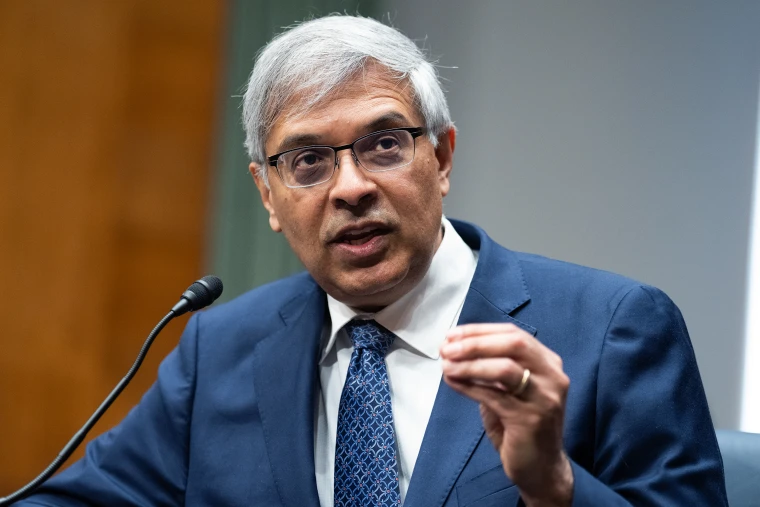
The world’s largest public funder of biomedical research is facing a period of uncertainty. While the National Institutes of Health (NIH) has largely weathered recent attempts to cut its budget and overhaul its grant system—thanks to intervention from Congress and the courts—the agency is now grappling with a growing leadership vacuum. This situation presents a rare opportunity for the current administration to reshape the institution’s direction and priorities.
A Growing Vacuum at the Top
As of recently, 16 of the NIH’s 27 institutes and centers do not have permanent directors. Staff were informed of the latest departure when NIH Director Jay Bhattacharya announced that Dr. Lindsey Criswell would step down immediately from leading the National Institute of Arthritis and Musculoskeletal and Skin Diseases.
Most of these vacancies have emerged during President Donald Trump’s second term, resulting from a mix of resignations, retirements, contract nonrenewals, and terminations. In the meantime, acting leaders are managing operations.
Former NIH Director Dr. Elias Zerhouni compared the situation to a military campaign with incomplete command. Having so many leadership roles open at once, he noted, is highly unusual and potentially destabilizing.
These positions carry enormous influence. Institute directors oversee multibillion-dollar budgets and help determine funding priorities for major health challenges such as Alzheimer’s disease, diabetes, cancer, and heart conditions. Historically, these roles have shaped the nation’s scientific agenda—figures like Dr. Anthony Fauci exemplified their long-term impact.
Policy Battles and Political Undercurrents
The leadership gaps come at a time when several proposed policy changes have stalled. Federal judges blocked an effort to cap reimbursement for research overhead costs, and Congress approved a modest funding increase for 2026 instead of the steep cuts and structural consolidation the administration had proposed.
For much of its 139-year history, NIH has operated as a largely nonpartisan engine for scientific progress, supporting breakthroughs ranging from HIV treatments to Covid-19 vaccines and innovative cancer therapies. However, some current and former employees worry that future leadership appointments could introduce stronger political influence into scientific decision-making.
Some staff members fear that institute directors may be selected based more on alignment with policy priorities than on scientific independence. The Department of Health and Human Services (HHS), however, maintains that the agency is committed to appointing highly qualified experts and strengthening scientific rigor while focusing on evidence-based research.
A Climate of Turnover and Tension
Leadership changes across federal health agencies have become more frequent in recent years. Similar disruptions have occurred at the Centers for Disease Control and Prevention, where disagreements over vaccine guidance and public health policy led to dismissals and resignations.
NIH insiders say the internal atmosphere reflects broader shifts in federal health leadership. Some former officials claim that those who defended vaccine science or challenged research cancellations faced administrative action.
Several departures followed administrative leave or contract decisions, and some employees believe the pattern signals ideological pressure. The administration has also expressed interest in expanding research into vaccine injuries and autism, while directing that federal grants align more closely with national priorities. Although some canceled grants were later restored, more than a thousand remain terminated, according to independent tracking efforts.
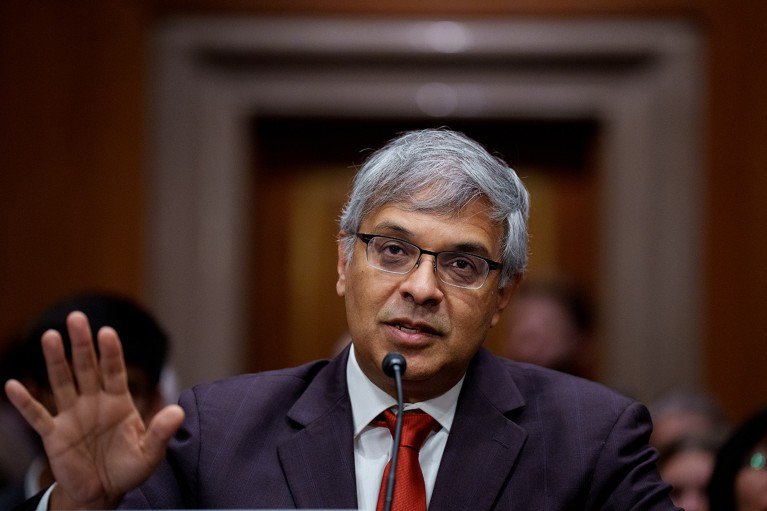
Whistleblower complaints from staff members allege that scientific concerns were sometimes overshadowed by political considerations—claims that HHS has denied.
Changes in the Hiring Process
Traditionally, NIH director searches involved formal committees that evaluated candidates and recommended finalists. Recently, however, Director Bhattacharya told lawmakers that the process has been streamlined, relying on informal outreach to external partners and internal scientists in order to fill positions more quickly.
Some leadership changes have drawn particular attention. At the National Institute of Environmental Health Sciences, a new director was appointed after the previous leader was reassigned despite recently beginning a second term. Questions also arose when the head of the National Institute of Neurological Disorders and Stroke departed despite strong performance, with research organizations later urging Congress to ensure leadership continuity.
Not all appointments have been controversial. For example, the selection of a respected cancer researcher to lead the National Cancer Institute has been viewed by some experts as a merit-based decision.
Why Stability Matters
Former NIH leaders emphasize that stability at the top is critical—not only for managing ongoing research but also for attracting world-class scientists and maintaining global competitiveness.
NIH has long been considered a pillar of U.S. innovation, economic strength, and national security. Experts warn that prolonged uncertainty or a loss of experienced leadership could weaken the country’s ability to respond to emerging health threats and maintain its leadership in biomedical science.
As National Institutes of Health confronts a leadership gap as key director roles remain unfilled, the coming months will likely shape not only the agency’s future but also the broader direction of American medical research for years to come.
