
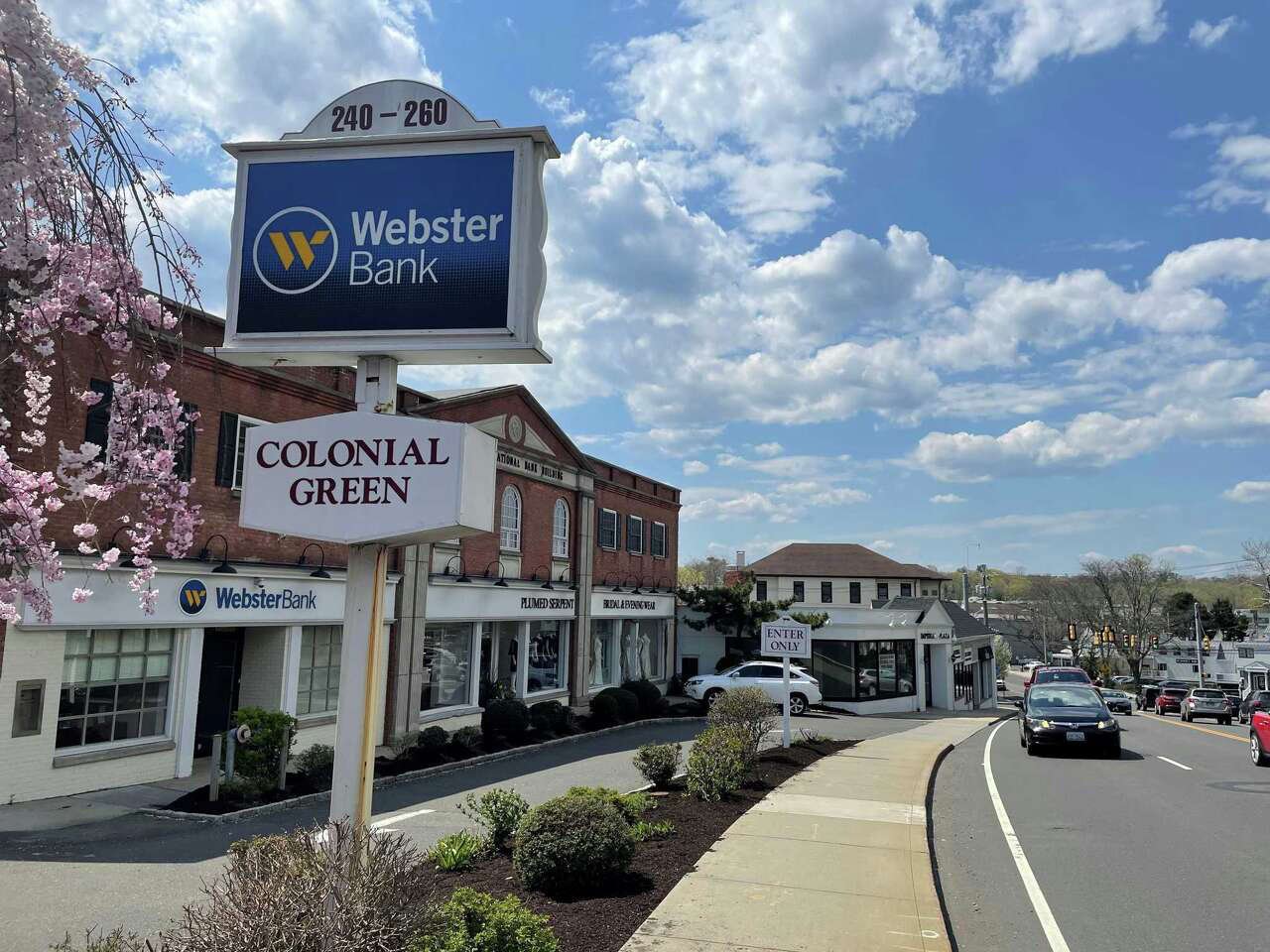
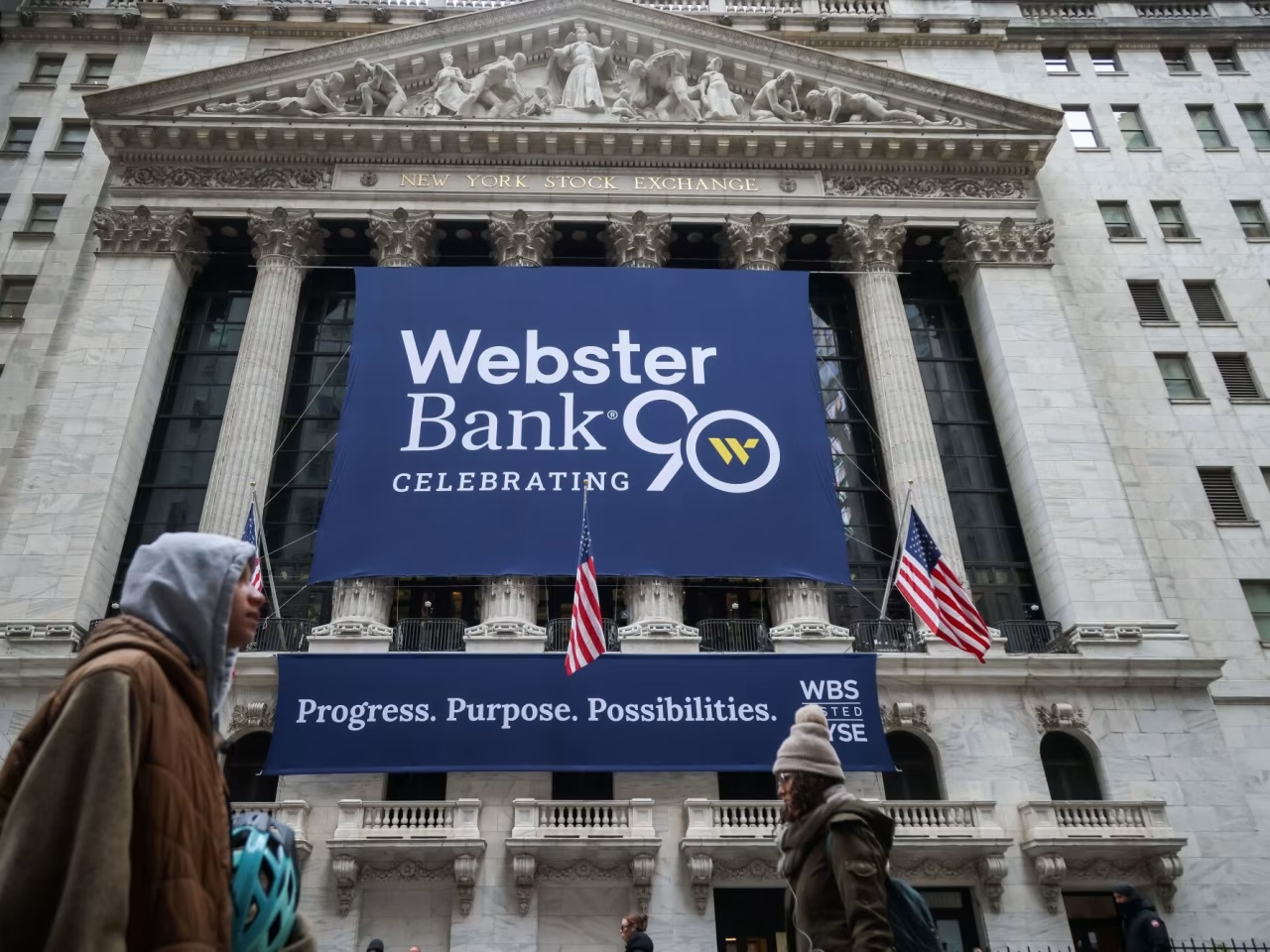
Banco Santander is making one of its boldest moves yet across the Atlantic. In a deal that underscores Santander targets major expansion in the U.S. retail banking market through its $12.2 billion acquisition of Webster Bank, the Spanish lender announced it will acquire U.S. regional bank Webster Financial in a transaction valued at $12.2 billion, a move that reshapes its position in the world’s largest banking market.
A Strategic Push Into the U.S. Market
Under the leadership of Executive Chair Ana Botín, Santander has consistently gone against the grain of many European peers who have scaled back their U.S. ambitions over the past decade. Instead, the bank has placed the United States at the core of its long-term growth strategy.
This latest acquisition will propel Santander into the top 10 U.S. retail and commercial banks by assets. Once completed, the combined U.S. balance sheet is expected to reach roughly $327 billion in assets, significantly strengthening Santander’s footprint across retail, commercial, and corporate banking.
Market Reaction and Santander’s U.S. Journey
Following the announcement, U.S.-listed shares of Santander closed 6.4% lower at $12.23, reflecting short-term market caution around the scale of the deal. Still, the bank remains confident in the long-term payoff.
Santander first entered the U.S. banking scene in 2005 with its acquisition of Sovereign Bank and has since become a major player in auto lending nationwide. Recently, it also surpassed UBS to become Europe’s largest lender by market value, further reinforcing its financial strength ahead of this expansion.
Deal Details and Regulatory Backdrop
The agreement comes at a time when merger activity among Wall Street banks and large regional lenders has picked up, partly due to expectations of a more deal-friendly regulatory environment under President Donald Trump.
Santander is offering 2.0548 of its own shares plus $48.75 in cash for each Webster share, and Botín has made it clear that the bank does not intend to raise its bid. The transaction is expected to close in the second half of 2026.
According to LSEG, this would be the largest banking deal since October 2025, when Fifth Third Bank announced its $10.8 billion takeover of Comerica Inc, and HSBC revealed a $13.6 billion bid for Hang Seng Bank.
Strengthening Scale, Profitability, and Returns
Santander believes the Connecticut-based Webster acquisition will boost scale, enhance profitability, and reduce funding costs. The combined business is expected to generate cost synergies of around $800 million, equivalent to nearly 19% of the merged cost base.
Looking ahead, Santander expects the deal to help deliver a return on tangible equity (ROTE) of about 18% in the U.S. by 2028, placing it among the five most profitable banks within the top 25 U.S. commercial lenders. At group level, the bank is targeting returns above 20% by the same year.
Notably, Botín emphasized that Santander does not plan any further bolt-on acquisitions over the next three years, signaling a focus on integration and organic growth.
Shareholder Commitments and Capital Strength
Despite the scale of the acquisition, Santander reiterated its commitment to shareholder returns. The bank plans to maintain its existing remuneration policies, including a €5 billion share buyback approved recently and a pledge to distribute at least €10 billion to shareholders based on its 2025 and 2026 results, while keeping a 50% payout ratio.
Post-closing, Santander expects its CET1 capital ratio to stand at 12.8%, rising above 13% by 2027.
Record Profits Add Momentum
Alongside the deal announcement, Santander reported a 12% jump in net profit for 2025, reaching a record €14.1 billion and beating market expectations. Fourth-quarter profit alone rose 15% year-on-year to €3.76 billion, also a record.
The bank noted that while lending income dipped slightly in 2025, overall profitability and efficiency improvements helped offset pressure from lower margins. Santander also expects profits to continue growing in 2026 and to rise between 14% and 16% in 2027 on a constant-currency basis, excluding major disposals and acquisitions.
Advisors on the transaction included Centerview Partners, Goldman Sachs, and Bank of America—underscoring the scale and significance of a deal that firmly anchors Santander’s ambitions in the U.S. banking landscape.
