
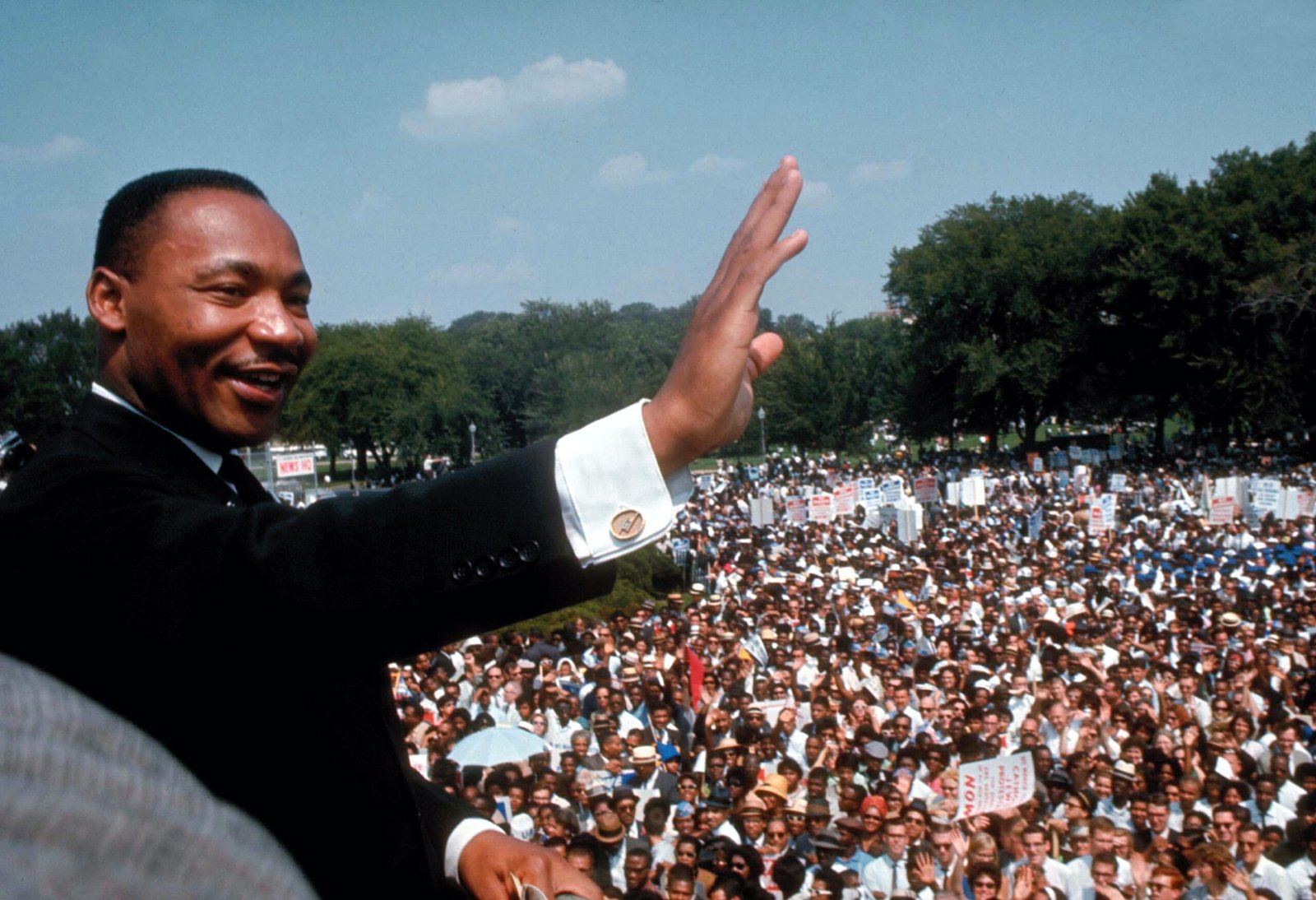
We honor MLK Jr.’s legacy even as the violence he opposed persists today. On Martin Luther King Jr. Day, the country pauses to remember a man whose words are celebrated even as the conditions he fought against continue with little interruption. Too often, King is treated as a closed chapter of history, safely framed in quotes and ceremonies, rather than as a living challenge to the present.
His name is frequently used to comfort rather than confront, to reassure the nation of its moral progress instead of demanding moral responsibility. What lingers in public memory is the poetry of his speeches, not the weight of his expectations. But memory is not meant to be static. It is meant to press on the present. History shows that power, when left undisturbed, does not become gentler. It adapts. It learns to apologize without changing. It learns to endure exposure and continue on.
A Nation Long Acquainted With Violence
The United States has always been fluent in violence. Its founding myth is rooted in revolution, where force is framed as both necessary and noble. What evolves over time is not the violence itself, but the story told around it: who is allowed to use it, who is expected to absorb it, and how easily the public learns to observe without intervening. Minneapolis has become one of the clearest mirrors of this reality.
In 2020, George Floyd was killed in broad daylight by a police officer on a public street, pinned beneath the authority of the state as bystanders pleaded for his life. The moment was filmed, shared, slowed down, replayed, and absorbed into the nation’s consciousness. Many believed that this visibility would mark a turning point—that witnessing would force accountability. It did not.
The cameras did not stop the killing; they recorded it. The footage did not dismantle the system; it became part of it. Circulation replaced intervention. Outrage stood in for power. America discovered that it could repeatedly watch suffering and still return to business as usual.
When Watching Replaces Action
Recently, Minneapolis again became the site of public death. Renee Good was shot and killed by a federal agent in plain view, in a city still haunted by Floyd’s murder. The pattern resumed.
Renee Good was not Black, and that distinction matters. Violence that is normalized against Black bodies rarely stays contained. State power often tests its limits where resistance has historically been ignored. For generations, Black Americans have been that testing ground. What is practiced there spreads elsewhere. What is justified there expands outward. This is not an abstract idea for Black communities; it is a lived inheritance.
There was a time when America did not conceal its public killings. Lynching was not an exception—it was a social ritual. Crowds gathered. Children watched. Bodies were displayed. Photographs were shared as proof and as warning. The violence was deliberate and instructional. The message was unmistakable: power could take life openly and expect approval or silence. Death was not the only goal. Demonstration was.
Public killing established hierarchy. It declared who was protected by the state and who existed beneath it. The method has changed. The logic has not.
The Spectacle of Modern Violence
In the 1970s, Gil Scott-Heron warned that the revolution would not be televised. He was not speaking about screens or cameras, but about power. Real change, he understood, does not arrive as spectacle. It cannot be consumed passively or replayed endlessly. America has done the opposite. Violence is now broadcast. Death is streamed. Suffering is shared. And watching is mistaken for participation.
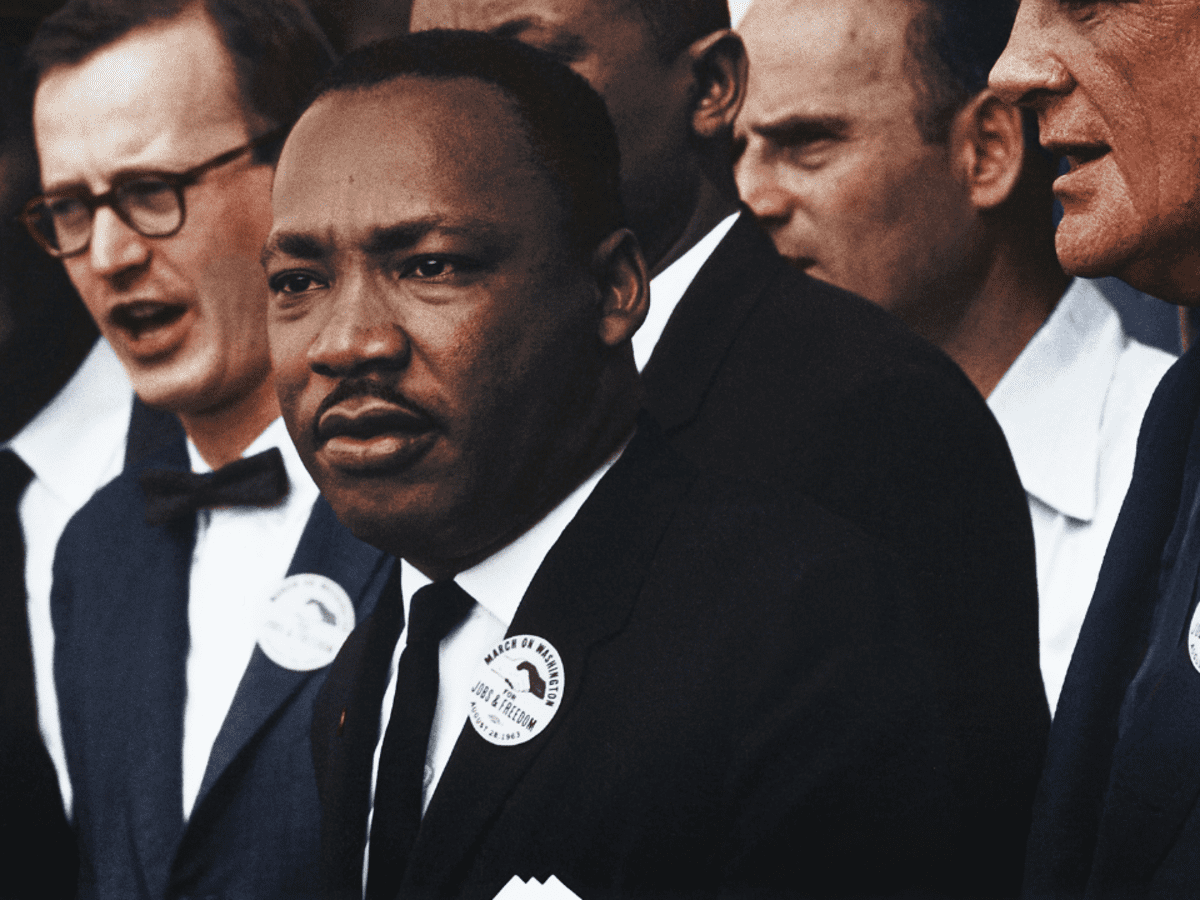
Today, public violence hides behind institutional language: “use of force,” “perceived threat,” “officer-involved shooting,” “internal review pending.” The crowds have been replaced by screens, but the spectacle remains. Death is analyzed, debated, shared, monetized, and slowly normalized. Black suffering becomes content. Outrage becomes episodic. Memory becomes something you scroll past.
Martin Luther King Jr.’s Legacy Demands Disruption
Martin Luther King Jr. was committed to nonviolence in a deeply violent society. He believed that disciplined moral restraint could expose the cruelty of power. He believed that love, stripped of sentimentality, could destabilize injustice. For those beliefs, he was surveilled, marginalized, and ultimately killed—after he condemned the Vietnam War and named the United States as a leading exporter of violence.
On Jan. 6, 2021, the nation witnessed another form of violence when a white mob stormed the U.S. Capitol, assaulted police officers, threatened lawmakers, and attempted to overturn an election. For hours, the response was hesitant. The language was careful. The meaning was debated. The contrast was revealing.
The same state that often meets Black protest with militarized force struggled to define an attack on its own seat of power. Terms bent. Time was granted. Understanding was extended. Once again, America demonstrated how flexible its standards of violence can be.
George Floyd’s murder did not shock the system because it confirmed it. That is why the promised reckoning felt so shallow. New trainings were announced. New language adopted. Murals painted. The deeper structure of permission remained untouched. Public lynching has not disappeared; it has been televised. And America has learned how to watch.
Beyond Ritual, Toward Rupture
If this Martin Luther King Jr. holiday is to mean more than ceremony, it must call for rupture—not symbolic gestures, but real interruption. A break from the habits that produce the same footage, the same statements, the same funerals.
