
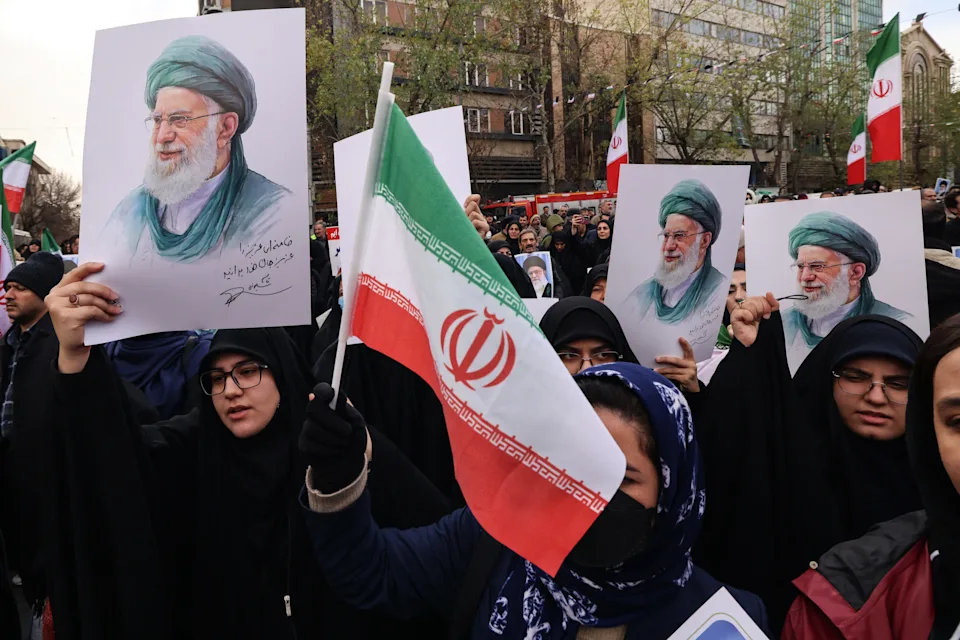
Iran’s latest wave of protests did not emerge from some abstract ideology. It began in the most ordinary, yet urgent, way: life had simply become unbearable.
When a currency collapses, prices skyrocket, wages fail to meet basic needs, and public services crumble, politics ceases to be about competing visions. Instead, it becomes a referendum on survival.
The protests in Iran feel distinct — they could actually result in meaningful change. People are not suddenly discovering activism; they are reacting to the failure of everyday coping strategies—tightening belts, leaning on family, and waiting for conditions to improve. Exhaustion has transformed from a personal struggle into a political force.
Why the Protests Are Justified
A government earns the right to expect obedience when it guarantees security and basic stability. When it fails to provide even the most fundamental conditions for life, it loses the moral authority to claim that dissent is illegitimate.
Iran’s leadership, however, has rejected this legitimacy outright. Supreme Leader Ayatollah Ali Khamenei has refused to address citizens’ grievances, instead labeling protesters as “vandals” or “harmful people” and implying they are tools of foreign powers. This is not mere rhetoric—it is a governing principle. When protesters are cast as enemies, repression becomes defense, and lethal force is framed as protection of the nation.
The Regime’s Own Contradictions
The government’s actions undermine its narrative. A truly confident regime does not need to cut international calls, throttle domestic networks, or impose selective internet access to “trusted institutions” while ordinary citizens remain in the dark.
Such measures reveal a leadership struggling to manage a crisis through normal political channels. The internet blackout is not a technical issue—it is an admission. It slows coordination, obstructs documentation, and creates a fog where violence can occur unchecked.
Foreign actors, such as Israel, may exploit these conditions through intelligence, cyber operations, or signaling, but they do not create the unrest. Structural failures at home—monopolies, corruption, sanctions, and eroded legitimacy—are the real root causes. Opportunistic interference does not equate to authorship.
The Rising Demand for Change
As economic pain persists, it evolves into political indictment. Slogans on the streets no longer ask merely for relief; they challenge the structure itself. Analysts cautious about declaring a revolution still recognize the familiar pattern: eroding legitimacy, broadening coalitions, and confrontation that repression can delay but not end.
What is new is the diversity of participants: students, workers, a frustrated middle class, and elements of the bazaar. This breadth signals that the crisis has reached parts of society that typically avoid direct rupture until conditions become intolerable. It is an indication that the regime’s model is failing both morally and functionally.
The Role of Iranians Abroad
The Iranian diaspora has played a supporting role—organizing global protests, meeting Western politicians, and maintaining visibility despite the regime’s internet blackout. Yet structural divides and disagreements, such as the role of exiled figures like Reza Pahlavi, limit the diaspora’s influence on the decentralized movement inside Iran.
This disconnect allows the regime to argue that no credible alternative exists and to warn that change would bring chaos. Consequently, many Iranians face a dual reality: recognizing the system’s exhaustion while fearing the uncertainty of what comes next.
Looking Ahead
External military intervention is dangerous. Foreign powers pursue their own interests, not liberation, and external involvement often transforms uprisings into proxy conflicts or fractured states. Even the perception of outside sponsorship can fracture internal coalitions and validate the regime’s claim that dissent equals treason.
Three conclusions emerge from this moment:
The protests are justified; exhaustion is now a political fact.
Foreign actors may exploit the unrest, but the root causes are domestic and structural.
Calls for political change are rising, but the movement still lacks a unified, credible vision for what comes next.
The outcome will not be determined by foreign statements or gestures of sympathy. It will depend on whether the internal movement can persist under repression, whether fractures appear within the regime, and whether the opposition can move from fragmented attention-seeking to building unity, credibility, and a realistic transition plan—capable of defeating the regime’s two most powerful tools: fear and darkness.
