
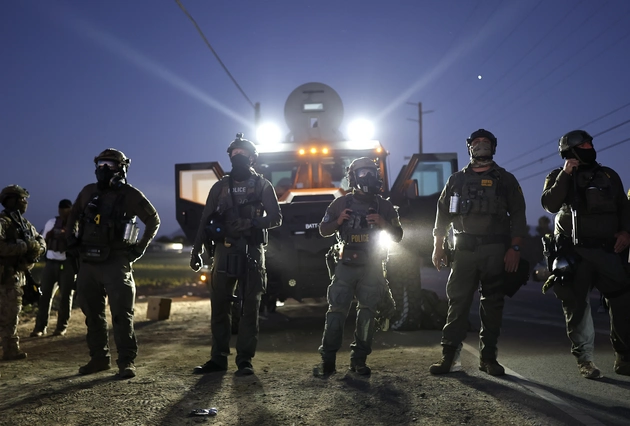
Donald Trump’s second term has often looked chaotic on the surface, marked by rushed decisions and constant controversy. But beneath that disorder sits a far more deliberate strategy. ICE’s escalation of violence has always been central to Trump’s strategy, not an accident or a failure of control. Long before returning to the White House, Trump had signalled his intent to use federal force — even the military — inside American cities, with the Insurrection Act as his ultimate lever.
The fear and anxiety many Americans now feel, especially in cities like Minneapolis, are not unintended side effects. They are part of the design. Immigration and Customs Enforcement agents conducting aggressive raids, firing chemical agents, smashing windows, and hauling people away in unmarked vehicles create precisely the kind of tension Trump needs. Each clash brings him closer to the justification he wants: invoking the Insurrection Act to deploy the military on US streets.
Why Trump Rejects De-escalation
That is why the administration lashed out at Minnesota Governor Tim Walz after he urged calm following two ICE shootings, one of them fatal. Walz attempted to lower tensions, encouraging peaceful protest and documentation of federal abuses rather than confrontation. From Trump’s perspective, that approach threatens the narrative he is trying to build.
Trump does not want calm. He wants escalation. Provocation by ICE creates the illusion of disorder, which then becomes the excuse for extraordinary federal action. When Walz and Minneapolis Mayor Jacob Frey warned residents not to “take the bait,” the White House responded with insults and accusations, falsely claiming local leaders were encouraging violence. The distortion was deliberate. Peace undermines Trump’s endgame.
A Long-Held Ambition
Trump’s interest in using military force at home is not new. During his first term, he openly regretted not deploying troops during the 2020 protests. Former officials later revealed that he fumed about appearing weak and even floated the idea of soldiers shooting protesters. The difference now is that he is surrounded by fewer advisers willing to restrain him.
In interviews since leaving office, Trump has made clear he sees little problem with using the military to impose “law and order.” He has brushed aside the Posse Comitatus Act, a cornerstone of American civil law that limits military involvement in domestic policing. The Insurrection Act of 1807, which allows presidents to deploy troops during extreme unrest, is the tool he appears eager to revive — despite the absence of any actual insurrection.
Public Opinion Is Turning
Americans are increasingly sceptical. Polls show a sharp decline in approval of Trump’s handling of immigration, once considered one of his political strengths. Majorities now view ICE’s conduct as excessive and believe its actions are making cities less safe, not more. High-profile incidents, including fatal shootings, have only accelerated that shift in opinion.
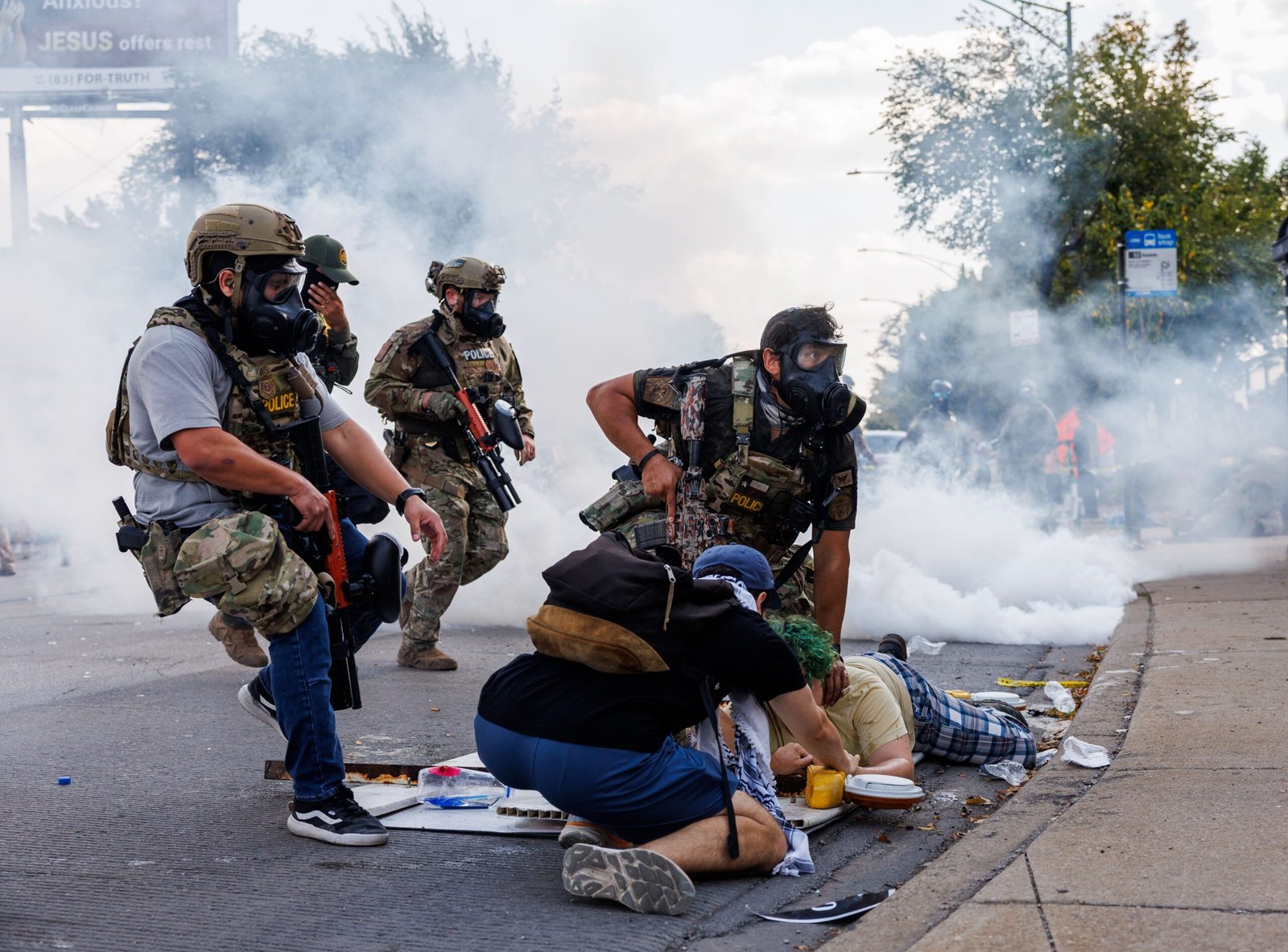
This growing public resistance may explain Trump’s urgency. As criticism mounts and support erodes, the window to justify invoking the Insurrection Act narrows. The louder the backlash, the more aggressively his administration seems to push.
The Real Test Ahead
By unleashing ICE in ways that appear intentionally provocative, Trump is placing an enormous burden on ordinary Americans — particularly in cities like Minneapolis — and daring them to respond with anger. Videos of agents taunting residents and demanding that critics “learn their lesson” reinforce the message: intimidation is the point.
Local leaders are offering a different path. Walz and Frey have both urged residents to protest forcefully but peacefully, refusing to give Trump the violence he seeks. Their message is simple but crucial: resisting abuse of power does not require mirroring it.
Trump is betting that fear, frustration, or rage will push Americans into confrontation. The real lesson, as events continue to unfold, is whether the public chooses escalation — or denies him the pretext he so clearly wants.
