

Texas A&M decides an ancient philosopher no longer belongs in the classroom amid “woke” debate, after a passage from one of Western philosophy’s most famous texts was deemed too controversial for modern students.
A well-known section of Symposium by Plato—in which the playwright Aristophanes tells a myth about humans once being split apart by the gods and spending their lives searching for their other halves—has become the latest flashpoint. The passage includes a reference to a gender that was a union of man and woman, and that alone was apparently enough to raise concerns at Texas A&M University.
In early January, philosophy professor Martin Peterson was informed that the reading would need to be removed from his spring syllabus for the “Contemporary Moral Issues” course or he would be reassigned to a different class. While university leaders insist Plato has not been banned outright, critics argue that sidelining one of his most influential works weakens the academic experience for Aggie students.
Peterson, speaking to The New York Times, warned that limiting perspectives in the classroom undermines education itself. Without competing ideas, he said, students lose the opportunity to debate, question, and truly learn—replacing inquiry with something closer to indoctrination.
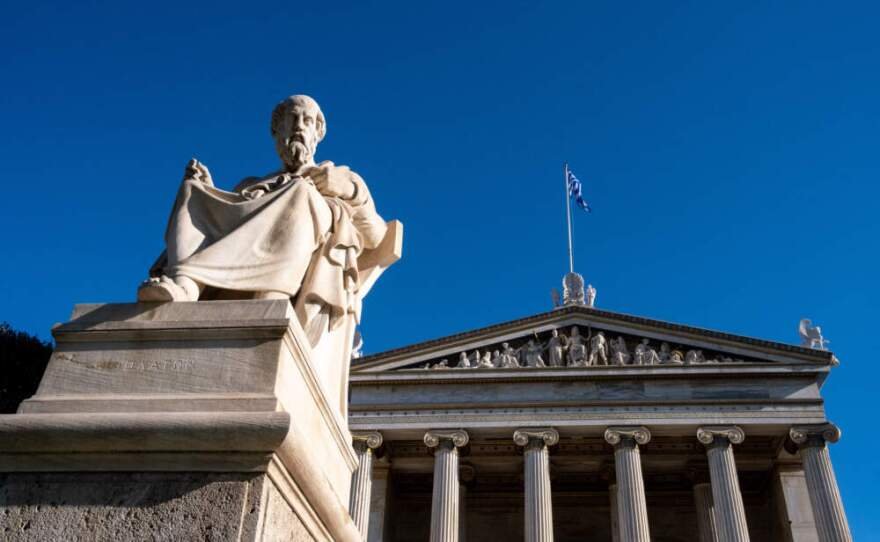
A Broader Pattern of Academic Restrictions
This controversy does not stand alone. Over the past year, around 200 courses in Texas A&M’s College of Arts and Sciences have reportedly been flagged, altered, or canceled for including material related to gender or race. The scrutiny intensified after a children’s literature class sparked viral attention for discussing gender concepts.
One student even questioned whether such discussions were legal, citing claims that only two genders are officially recognized. Professor Melissa McCoul pushed back against that misconception, according to reporting by The Texas Tribune. Not long afterward, she was dismissed, and tighter controls were placed on course content across the university system.
When paired with recent disputes elsewhere—such as complaints from a University of Oklahoma student after receiving a failing grade—it paints a picture of growing resistance to higher education’s traditional role: challenging students rather than shielding them from uncomfortable ideas.
Why Challenging Ideas Still Matter
Classic philosophy is not always an easy or enjoyable read. Many students struggle with Plato, Aristotle, or Nietzsche. Yet those texts have shaped centuries of thought precisely because they provoke discomfort, disagreement, and reflection.
The fear among critics is that if public universities allow political pressure to dictate what can and cannot be taught, they risk hollowing out their own mission. Courses that broaden perspectives—whether in philosophy, political theory, or feminist thought—are often the ones that leave a lasting impact long after graduation.
In response to the ban on Symposium, Peterson replaced the reading with a newspaper article examining university censorship. Ironically, that decision may have created an even richer discussion—one not just about ancient philosophy, but about the future of academic freedom itself.
