
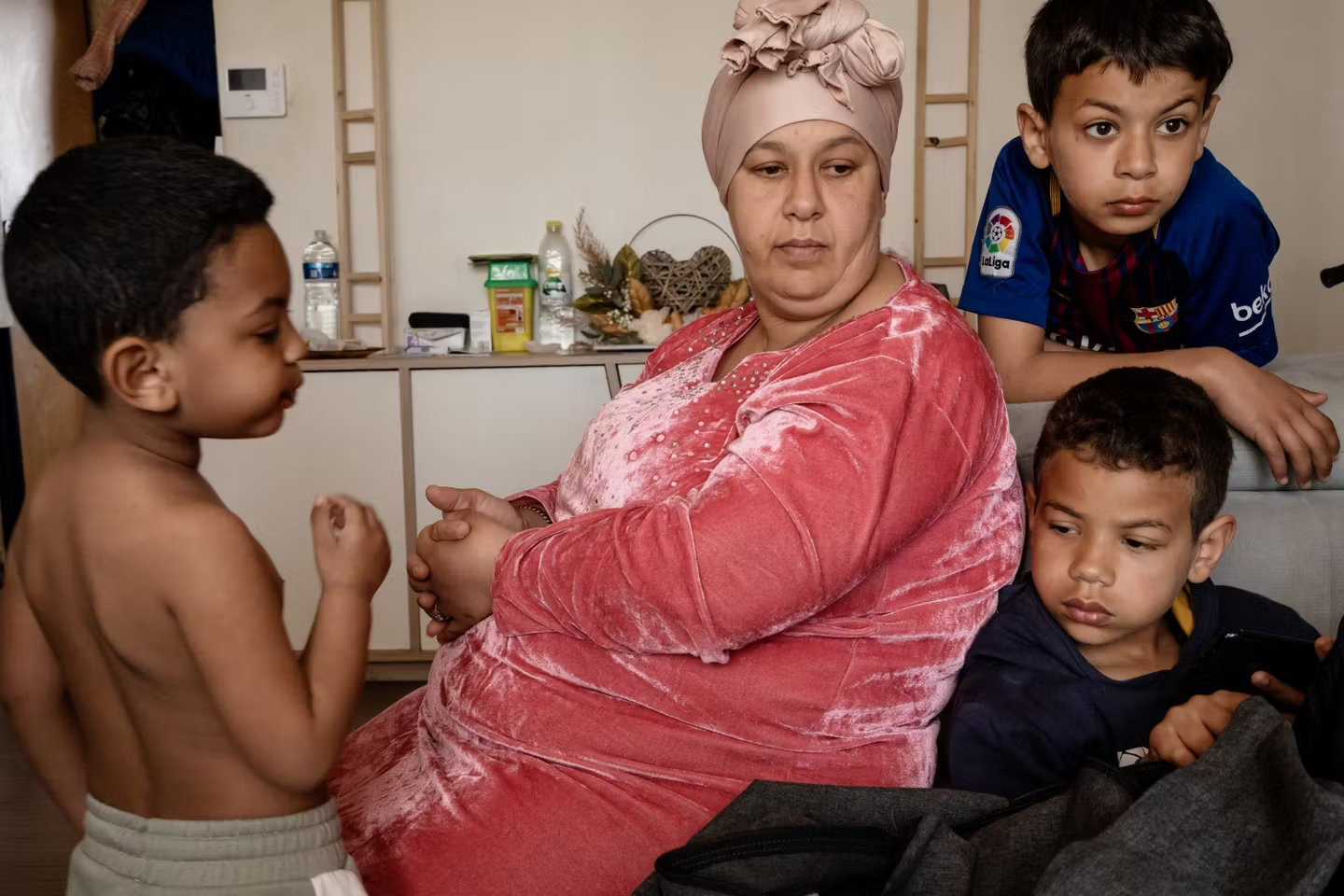
Violence shaped my life long before I understood its consequences. I grew up surrounded by it and, as a young man, became part of it. In 1989 alone, I lost 13 close friends to Los Angeles’ brutal gang wars. I was a member of the Grape Street Crips, living in a neighborhood where death was common and survival was never guaranteed.
But three years later, my role changed. I moved from being a witness to violence to becoming a mediator, helping broker a historic peace treaty between the Crips and Bloods in my Watts community. That moment transformed my understanding of what truly stops violence. It wasn’t more guns, more arrests, or more fear. It was dialogue, trust, and people choosing resolution over retaliation.
When we committed to de-escalation instead of revenge, the results were undeniable. Gang-related homicides in our area dropped sharply. It proved a simple but powerful truth: violence doesn’t end on its own. It ends when people closest to it decide to stop it.
That lesson became painfully personal in 2004, when my own son, Terrell, was killed. My grief was overwhelming, but I knew what could come next if I didn’t act. I was the only person who could stop his friends from seeking revenge. I chose to let healing, not more death, define my son’s legacy. Violence had already taken too much from us.
Terrell’s life intersected with many others touched by loss, including a junior high classmate, Nipsey Hussle, who later became a successful rapper before he was tragically killed in 2019. These losses reinforced my belief that cycles of violence are deeply interconnected—and that breaking them requires courage, compassion, and community leadership.
For decades now, I’ve dedicated my life to helping communities interrupt violence and build lasting safety. That’s why what we’re seeing across the United States today is so significant. The same community-based violence intervention strategies we used in Watts are now working on a national scale.
Recent data from the Major Cities Chiefs Association shows that homicide rates fell sharply in major U.S. cities during the first nine months of 2025. This follows broad crime declines in 2024, according to the FBI, including a nearly 15% drop in murders and nonnegligent manslaughters. Additional reports from 67 law enforcement agencies reveal double-digit decreases in homicides nationwide—around 20% overall and as high as 40% in some communities.
The city-by-city numbers are even more striking. Chicago saw a 33% decline in homicides in the first half of 2025 compared to the previous year. Baltimore experienced a 24% drop, while St. Louis recorded a 22% decrease. These aren’t anomalies—they’re the result of intentional investment in what works.
Crime Is Falling—but Funding Is Being Cut
So what’s driving this shift? It’s not the old “tough on crime” playbook of mass incarceration, bloated police budgets, or harsher sentencing. And it’s not the deployment of National Guard troops to cities where homicide rates were already declining.
Yes, the country is recovering from the crime spike seen during the COVID-19 pandemic. But experts agree there’s a bigger reason behind the progress: cities have invested in community-based safety solutions. These programs are led by people most affected by violence and are designed to prevent harm before it happens.
Unfortunately, just as these strategies are delivering results, they’re under threat. The federal government has cut roughly $800 million in public safety funding, putting many of these life-saving programs at risk. This decision isn’t just a budget issue—it’s a matter of life and death.
Across the country, we’ve seen what’s possible when communities receive sustained support. In Newark, New Jersey, where I helped lead the Newark Community Street Team starting in 2014, crime recently hit a 72-year low. The city has become a national model for reimagining public safety through prevention, not punishment.
These programs work because they address root causes. Violence interrupters mediate conflicts before they turn deadly. Trauma recovery services help survivors heal. Reentry programs support people returning from incarceration so they can find jobs and stability. Addiction treatment prevents crises from escalating into crime.
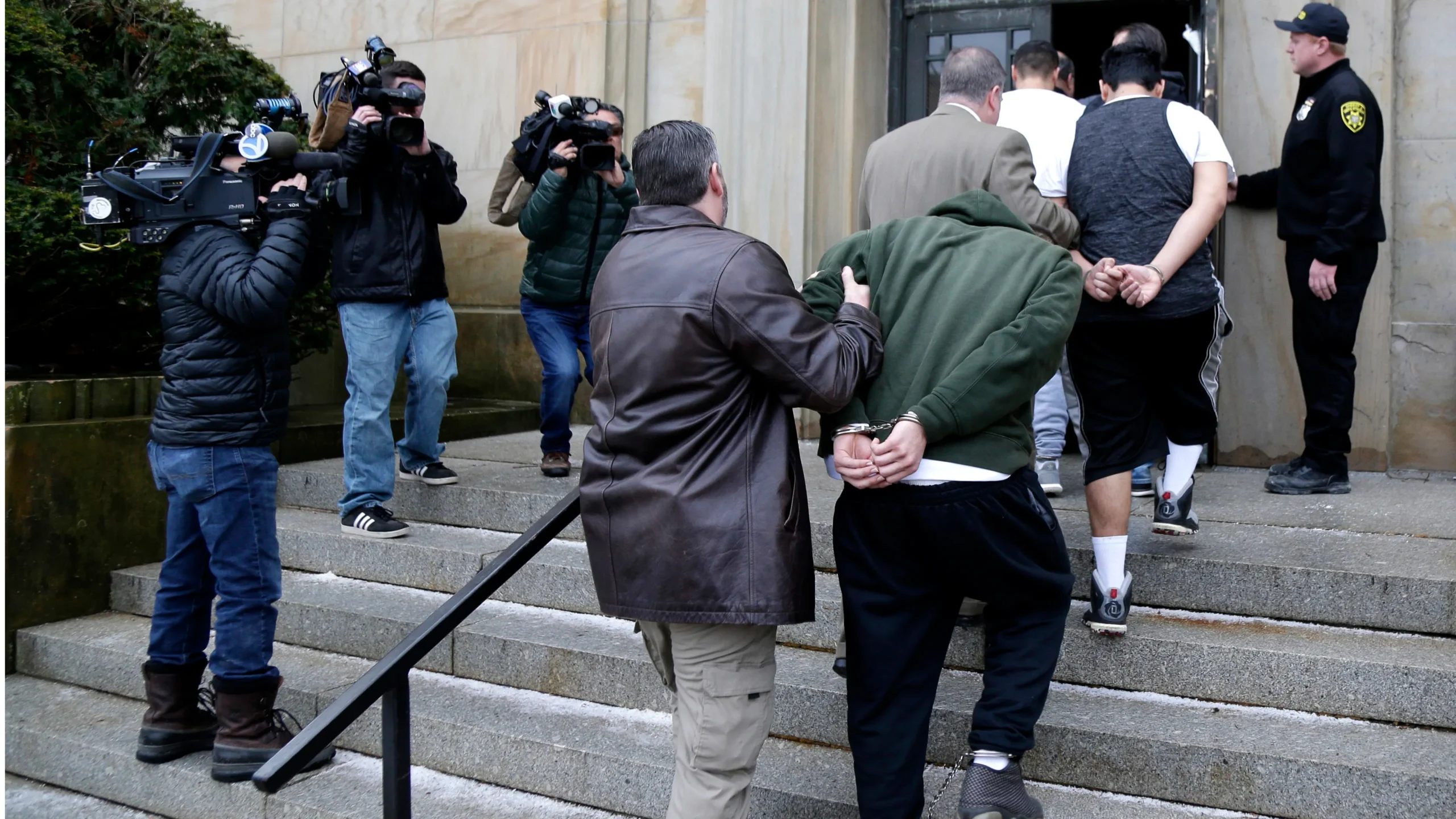
Street interventionists, in particular, play a critical role. They show up at hospitals and crime scenes to prevent retaliation and connect people with resources. Without them, the risk of renewed violence rises sharply.
Initiatives like Scaling Safety—a partnership between the Community Based Public Safety Collective and the Alliance for Safety and Justice—have empowered local leaders with proven tools. In Miami, organizations like Circle of Brotherhood, led by Lyle Muhammad, deploy trained “Peacemakers” to interrupt cycles of violence. Over four years, the city’s most violent neighborhoods saw homicide rates fall by as much as 83% and 60%, closely linked to the presence of these programs working alongside focused policing.
Cutting funding to these efforts makes all of us less safe. When prevention disappears, retaliation returns. When healing is ignored, trauma compounds. The cycle continues.
Ironically, these programs are now victims of their own success. As crime falls and neighborhoods feel safer, public attention shifts to other issues like the cost of living. But this is not the time to retreat. It’s the moment to double down.
We already know how to stop violence before it starts. The evidence is clear, and the lives saved are real. If leaders are serious about lasting public safety, they must protect—and expand—the community-based solutions that are proving, every day, that a safer future is possible.
